Rubbish collection guide for Brixton Market traders
Posted on 04/07/2026
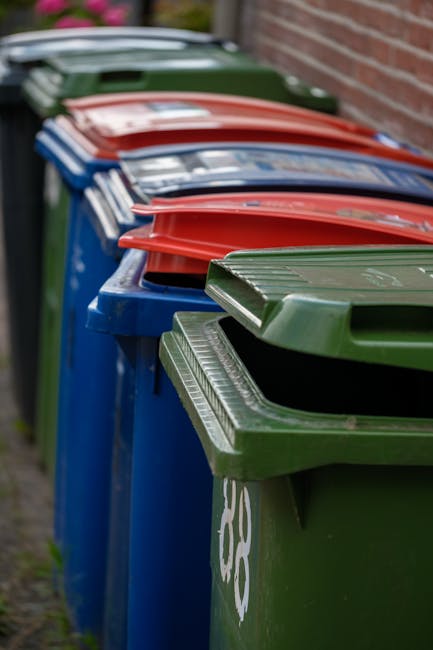
If you trade at Brixton Market, rubbish management is not a side task you do at the end of the day. It affects stall presentation, customer experience, hygiene, safety, and how smoothly you can set up and pack down. This Rubbish collection guide for Brixton Market traders brings together the practical bits that matter most: sorting waste properly, choosing the right collection approach, reducing unnecessary disposal, and staying on the right side of business waste expectations. Let's face it, a busy market day can get messy fast - and the last thing you want is cardboard, food waste, packaging, or broken stock building up around your pitch.
In this guide, you'll find a clear step-by-step approach, a comparison of common collection methods, common mistakes to avoid, and a checklist you can use straight away. There's also a section on compliance and a realistic example of how a trader can keep waste under control without slowing down service.
- Why rubbish collection matters
- How market waste collection works
- Key benefits and practical advantages
- Who this guide is for
- Step-by-step guidance
- Expert tips
- Common mistakes to avoid
- Tools, resources and recommendations
- Law, compliance and best practice
- Options and comparison table
- Case study or real-world example
- Practical checklist
- Conclusion
- Frequently asked questions
Why Rubbish collection guide for Brixton Market traders Matters
Brixton Market is lively, visual, and high-footfall. That's the charm. It also means waste can pile up quickly: veg trimmings, takeaway packaging, broken boxes, carrier bags, old signage, and the random bits nobody planned for. When waste is left unmanaged, it can make a stall look tired before lunchtime, attract pests, and create trip hazards for staff and customers.
Good rubbish collection is also part of how your stall feels to shoppers. Clean, well-run traders give the impression of care and consistency. That matters in a market setting where people make quick decisions based on what they can see in a few seconds. A tidy pitch tells customers you take your product seriously. A messy one says, well, the opposite.
There's another reason this matters: waste at a market is rarely just "rubbish". A lot of it is business waste, and that changes how it should be handled. Traders often need a more structured approach than a household would. If you already work with a broader business service such as commercial waste removal in Brixton, you'll know that consistency is usually more valuable than a one-off clear-out.
And to be fair, markets have their own rhythm. Waste peaks at busy times, then drops off sharply. The system has to fit that rhythm, not fight it.
How Rubbish collection guide for Brixton Market traders Works
The basic idea is simple: separate waste as you go, store it safely, and arrange collection at the right time so it does not interfere with trading. In practice, the setup works best when you divide waste into sensible groups and plan the collection flow before you even open.
For most traders, the process usually includes four stages:
- Source separation - keep cardboard, food waste, plastics, glass, and general waste apart where possible.
- On-stall storage - use bins, tubs, sacks, or crates that can be managed safely during trading hours.
- End-of-day consolidation - flatten boxes, secure sharp or wet waste, and move it to the agreed storage point.
- Collection and disposal - arrange pickup or transfer using a proper waste route that suits your volume and operating pattern.
That may sound straightforward. It is, until a delivery arrives late, a container leaks, or a windy afternoon turns loose packaging into confetti. So your setup needs a bit of resilience. The best systems are the ones that still work when the day goes a bit sideways - which, in a market, happens more often than anyone admits.
If you generate mixed business waste rather than just one type, it may help to look at the wider services overview so you can match the collection method to the waste stream, not the other way round.
Key Benefits and Practical Advantages
A decent rubbish collection routine saves time, protects your pitch, and reduces stress. Those benefits sound small until you compare a smooth market day with one where you are dragging sacks around at peak trading time. Then they feel very large indeed.
- Better presentation: a clean stall feels more inviting and professional.
- Safer movement: fewer obstacles, fewer spills, fewer awkward near-misses.
- Faster pack-down: organised waste is quicker to clear after trading.
- Lower contamination: separated waste is easier to recycle or dispose of correctly.
- Reduced smell and mess: especially useful for food traders and fresh produce stalls.
- Less last-minute panic: because waste is already under control by closing time.
There's also a commercial angle. Customers notice order, even if they don't consciously think about it. A stall with clean edges, clear walkways, and no leaking bags tends to feel more trustworthy. That can influence dwell time and repeat visits. Not always dramatically, but enough to matter over a busy month.
From a sustainability point of view, proper sorting can also reduce what ends up in general waste. Traders who focus on recycling and waste reduction often find that their disposal routine gets simpler over time, not more complicated. That sounds backwards, but it's true.
Who This Is For and When It Makes Sense
This guide is for Brixton Market traders who handle regular waste as part of trading. That includes food stalls, produce sellers, craft traders, clothing sellers, takeaway operators, pop-up vendors, and anyone dealing with packaging, spoilage, or stock turnover.
It also makes sense if you:
- have limited back-of-house space
- trade in a shared market environment
- need to move waste quickly without blocking customers
- want to improve recycling and reduce mixed waste
- have occasional bulky items like display units or damaged stock
- share responsibility for cleanliness with staff or helpers
In our experience, the biggest difference appears when a trader moves from "we sort it out later" to "we have a repeatable routine." That's the point where waste stops being a daily nuisance and starts becoming just another manageable part of the day.
If your waste needs are broader than a market stall, such as stockroom clear-outs or business premises tidying, a related service like waste clearance in Brixton may be more appropriate for larger occasional jobs.
Step-by-Step Guidance
Here's a practical way to set up rubbish collection for a market stall without overcomplicating it.
1. Identify your waste types
Start by listing what you actually throw away during a normal trading day. For example, a fruit and veg trader may produce cardboard, peelings, soft packaging, damaged produce, and a little general waste. A clothing trader may produce more film wrap, hangers, tags, and empty packaging.
Be honest here. Guessing usually leads to the wrong container mix.
2. Decide what can be separated
Some waste streams are simple to split at source. Cardboard should not be crushed into a wet food-waste sack. Food waste should not sit in a general bin all day if it can be avoided. Separation saves effort later, especially at pack-down.
3. Choose practical containers
Use containers that suit the reality of your stall. Small, stackable bins work well for limited space. Sacks are useful for lightweight mixed waste. Lidded bins help with smells and pests. If you sell fresh food, lids matter more than people expect.
4. Set a collection point
Waste should have a home, even if that home is temporary. Pick a spot where sacks or bins can be moved safely without blocking your trading area or the customer flow. If your waste is left near a route people use, it will get nudged, kicked, or forgotten. Usually all three.
5. Align collection with your trading schedule
Arrange collection or removal at a time that fits opening and closing patterns. Early-morning buildup and end-of-day pack-down are common moments for waste movement. The aim is to avoid bottlenecks when customers are present and you need full hands for selling, not hauling.
6. Keep a weekly review
After a few market days, review what's working. Are bins filling too fast? Is cardboard stacking badly? Are you paying to remove more general waste than necessary? Small adjustments often have a bigger impact than a wholesale redesign.
Expert Tips for Better Results
Good waste management at a market is mostly about habits. A few small habits make life easier, and a few bad habits make it a lot harder. Here are the ones that matter most.
- Flatten cardboard immediately. It saves space and keeps walkways clearer.
- Keep wet waste separate early. Once food waste gets mixed into packaging, sorting becomes unpleasant fast.
- Use labelled containers. Staff and helpers are more likely to follow the system if it's obvious at a glance.
- Train new team members quickly. Even a 2-minute explanation helps.
- Plan for busy days. Saturdays, event days, and sunny afternoons often create more waste than expected.
- Make pack-down part of the close. Don't treat it as optional.
One useful trick is to keep a spare set of liners, ties, or sacks at the stall. Nothing glamorous. But when a bag splits or a box soaks through, that little backup saves the whole rhythm of closing down.
If you sometimes need to dispose of larger items like old display pieces or shop fixtures, it may be worth combining your routine waste plan with furniture removal in Brixton or furniture disposal in Brixton for one-off bulky items.
Common Mistakes to Avoid
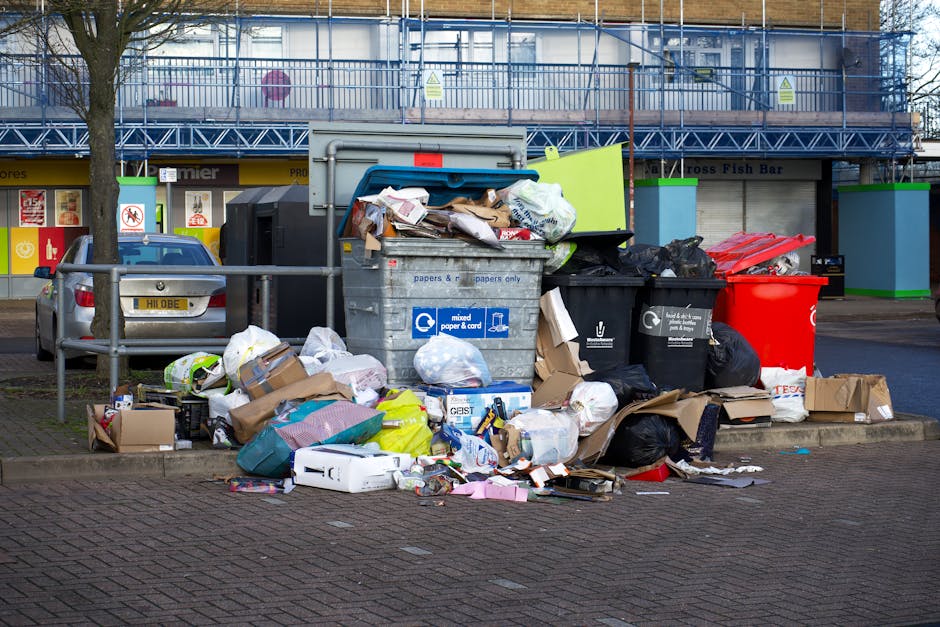
Most waste problems at markets are not dramatic. They're the result of small missed steps that repeat. Here are the big ones to avoid.
- Mixing everything together. It makes disposal harder and can increase contamination.
- Overfilling sacks or bins. That creates spills and slows staff down.
- Leaving waste overnight without a proper plan. This can be a hygiene and safety issue.
- Ignoring broken packaging or sharp edges. Cuts and punctures are not worth the risk.
- Using the wrong collection method for your volume. A low-volume setup won't suit a busy stall, and vice versa.
- Forgetting wet weather. Rain changes everything. Cardboard gets soggy, sacks split more easily, and things get a bit grim.
A common one, honestly, is assuming waste will stay "just tidy enough" until closing time. It rarely does. It only takes one squashy tomato box or one overloaded bag for the whole setup to wobble.
Tools, Resources and Recommendations
You do not need fancy kit to manage market rubbish well. You need the right basic tools, used consistently.
| Tool or item | Best for | Why it helps |
|---|---|---|
| Labelled bins | Mixed stall waste and sorting | Makes separation easy for staff and helpers |
| Heavy-duty sacks | General waste and pack-down | Useful for quick closure and transport |
| Flattening tool or box cutter | Cardboard management | Reduces bulk and storage pressure |
| Lidded containers | Food-related waste | Helps with smell control and pest reduction |
| Reusable crates | Stock handling | Creates less disposable packaging over time |
For traders who want to improve the environmental side as well as the practical side, the recycling and sustainability guidance on the site is a sensible place to understand how better sorting can support a cleaner routine.
And if your business waste situation is more complex than a standard stall setup, the wider commercial waste removal in Brixton option may be a better fit than ad hoc clear-outs.
Law, Compliance, Standards, or Best Practice
For market traders, waste handling is not just about neatness. There are business waste responsibilities involved, and it is wise to treat them seriously even when the day is busy. You do not need to turn into a compliance nerd overnight - though, to be fair, a little paperwork does save a lot of grief later.
In plain terms, you should make sure waste is collected and transferred through appropriate channels, not left in a way that creates nuisance, litter, or safety issues. If a trader uses a waste contractor, it is sensible to check that the business operates with a proper waste carrier licence and follows documented compliance practices. That is basic due diligence, not overkill.
Other good practice points include:
- keeping waste secured so it does not blow away
- avoiding spillages into shared market areas
- separating recyclable materials where practical
- storing waste safely away from food handling areas
- keeping records or receipts where relevant to your business setup
Safety matters too. Lifting awkward sacks, moving wet boxes, or handling broken materials can lead to cuts and strains. A sensible waste routine should reduce those risks, not add to them. The general advice in the insurance and safety information is useful reading for traders who want to think beyond the collection itself and into day-to-day operational risk.
Data and payment handling can matter if you arrange collections online or by card. It sounds dry, but traders are businesses, and trust has to run through the whole process. That's where payment and security and the site's privacy policy may be helpful for context.
Options, Methods, or Comparison Table
There is no single best rubbish collection method for every Brixton Market trader. The right choice depends on the type of waste, how much you generate, and how often you trade. Here's a straightforward comparison.
| Method | Best for | Pros | Watch out for |
|---|---|---|---|
| On-stall bin system | Small to medium daily waste | Simple, tidy, easy to train staff on | Can fill quickly on busy days |
| Sack-based collection | Light mixed waste and pack-down | Flexible and space-saving | Can split or leak if overloaded |
| Separated recycling setup | Cardboard, plastics, glass, food waste | Better sustainability and less contamination | Needs discipline and clear labels |
| Scheduled business collection | Regular, repeat waste volumes | Reliable and predictable | Needs proper planning and storage |
| One-off clearance | Old stock, broken display items, refurb jobs | Good for bulky or unusual waste | Not ideal for everyday waste flow |
If you only trade occasionally, a simple collection setup may be enough. If you're there most days, a more structured routine saves time and helps the stall look consistent. That consistency matters. Customers notice, even if they don't say it out loud.
Case Study or Real-World Example
Imagine a fruit trader with a small Brixton Market pitch. Early on, the trader used one general bin for everything: peelings, packaging, cardboard sleeves, damaged fruit, and the odd glove or receipt. By lunchtime the bin was full, the area smelled a bit sour, and staff kept improvising by stacking waste behind the stall. Not ideal.
After a simple reset, the setup changed. Cardboard was flattened immediately. Soft food waste went into a separate lidded container. General waste was limited to packaging that genuinely could not be separated. Pack-down became a fixed 10-minute routine, not a mad scramble. Waste disappeared from the customer-facing area earlier in the day, and the stall looked calmer - which, oddly enough, made the fruit look better too.
The trader didn't need anything fancy. Just clearer bins, stricter habits, and a collection rhythm that matched the business. That's the real lesson here. Most market waste problems are solved by process, not by brute force.
For a trader whose stockroom or storage area also needs clearing, services such as office clearance in Brixton or house clearance in Brixton may help when the job goes beyond normal day-to-day collection.
Practical Checklist
Use this quick checklist before opening and after closing. It's simple, but it keeps the whole system from slipping.
- Separate waste types before trading starts
- Place bins where staff can reach them without blocking customers
- Keep lids, liners, or ties ready for wet or food-related waste
- Flatten cardboard as soon as possible
- Store sharp or broken items safely
- Move waste away from the trading area before pack-down finishes
- Check that nothing has leaked onto the ground
- Review whether you are overusing general waste sacks
- Confirm collection timing suits the market schedule
- Train new staff or helpers on the waste routine
Small checklist, big difference. That's usually how it goes.
Get a free quote today and see how much you can save.
Conclusion
A good rubbish collection system is one of those behind-the-scenes things that quietly improves everything else. It keeps your Brixton Market pitch cleaner, safer, and easier to run. It helps customers feel comfortable. It reduces wasted time at closing. And it gives you a more controlled way to deal with the messy bits of trade - which, let's be honest, are going to happen whether you like them or not.
The best approach is usually the one you can keep up every day, not the one that looks perfect on paper. Start with your main waste types, choose a collection method that suits your volume, and build a routine that staff can follow without thinking too hard. Once that's in place, everything feels lighter. Even on a rainy Tuesday morning when the market is just waking up and the pavements still smell faintly of cardboard and coffee.
Keep it simple, keep it consistent, and your stall will thank you for it.


 Tipper Van - Waste Collection and Rubbish Removal Prices in Brixton, SW2
 Luton Van - Waste Collection and Rubbish Removal Prices in Brixton, SW2